The Wool March to Brussels
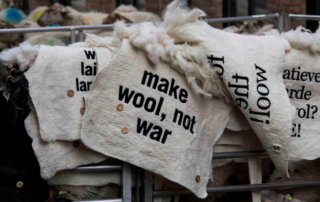
From Texel to Brussels, the Wool March is a unique event to raise awareness and recognition for shepherds, flocks and wool. Read on to learn more!
IWTO participated in a high-level Sustainable Livestock Intergroup event at the European Parliament, where scientists, farmers and policymakers examined why current EU Environmental Footprint methodology disadvantages natural fibres — and what needs to change.
The way land use is measured in the EU Product Environmental Footprint has significant implications for wool. Here we look into why the current LANCA model produces misleading results for extensive grazing systems — and what a fairer, science-based approach would include.
Discover why wool is redefining activewear with breathability, odour resistance, UV protection and natural performance without microplastics.
Most activewear looks amazing. But when you look at the label, you find that much of it is synthetic. If you're practicing for long-term well-being, what you wear on your body deserves consideration. Here's why wool belongs on the Reformer.
A new paper finds that polyester, which accounts for 60% of global fiber production, faces none of the traceability requirements imposed on natural fibres. At the same time, its environmental impacts have been significantly underestimated. IWTO renews its call for a level playing field across all textile fibres.
Cotton Australia and the Woolmark Company co-hosted the inaugural Australian Natural Fibres Forum, uniting growers, researchers and global brands around a shared natural fibres agenda.
The benefits of wool may now extend beyond our planet. Find out how Woolroom’s NASA bedding could take the comfort and warmth of wool into outer space.
Discover how knitting supports mental health, reducing anxiety and improving emotional regulation through research-backed benefits and mindful practice.
Alginate fibre, produced from brown seaweed, is emerging as a complementary partner to Merino wool. We look at the science behind the blend: its production process, performance properties, and potential applications across textiles.